
Surging Demand for Seasonal Labor in South Korea
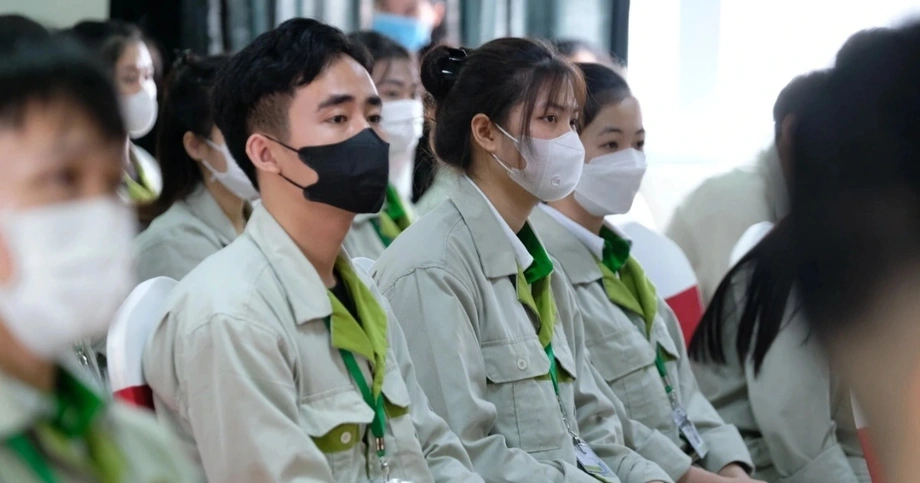
Vietnam experienced a rapid rise in worker deployments to South Korea for seasonal agricultural and fishing jobs during the first ten months of 2026. Data published by Vietnam's Ministry of Home Affairs show that 9,218 workers traveled to South Korea between January and October 2026, surpassing the 5,106 placements recorded for the entire preceding year. This single-year increase accounts for nearly half of the 18,754 total placements recorded across a five-year period beginning in 2022. The seasonal program operates under a framework established by Government Resolution 59/NQ-CP, which aims to address labor shortages in foreign agricultural sectors while providing employment opportunities for rural workers in Vietnam.
目次
Participation in the initiative has expanded steadily since its inception. Program records show only 433 worker placements in 2022, followed by 1,840 placements in 2023 and 2,157 placements in 2024. By September 2026, 16 Vietnamese provinces and cities had negotiated and signed cooperation agreements with South Korean local authorities, resulting in a total of 82 signed agreements, of which 68 remain in active effect. Ninh Binh recorded the highest participation rate with 5,627 placements between 2022 and 2026, followed by Danang with 3,606 placements, Dak Lak with 2,160 placements, Dong Thap with 1,983 placements, Can Tho with 1,230 placements, and Lai Chau with 1,062 placements.
Visa Structures and Financial Returns for Workers
Workers participating in the seasonal migration program receive short-term seasonal work visas with initial validity periods of three or five months. Depending on the mutual needs of the employer and the worker, these contracts may be extended by an additional three months, up to a maximum duration of eight months. Job duties primarily involve agricultural tasks such as crop cultivation, harvesting, sorting, and packaging produce, alongside seafood processing and aquaculture operations in coastal regions.
Financial gains for participating workers are substantial compared to domestic rural wages. According to official ministry figures, monthly earnings including overtime can reach between VND 45 million and VND 60 million (USD 1,720 to USD 2,300). After deducting mandatory expenses for accommodation, living costs, and insurance, workers retain estimated monthly savings of VND 30 million to VND 45 million (USD 1,150 to USD 1,720). Over a typical contract lasting three to eight months, total accumulated savings range from VND 100 million to VND 320 million (USD 3,830 to USD 12,260).
Proposed Extension and Non-Profit Governance
The original pilot framework established under Government Resolution 59/NQ-CP is scheduled to expire on December 31, 2026. To prevent a legal vacuum that would disrupt ongoing cooperation between local governments in both nations, the Ministry of Home Affairs has drafted a new resolution. This proposal seeks to extend the program for an additional five-year term, running from January 1, 2027, through December 31, 2031. The ministry expects to submit the formal proposal to the Government for review and approval in December.
Under the proposed terms, the program will maintain its strict non-profit structure. Recruitment and placement activities must be organized directly by local government agencies or public service units. Intermediary organizations and private brokers are prohibited from charging service fees or participating in the selection process. Provincial people committees will bear direct responsibility for selecting international partners, managing worker training, and providing ongoing support throughout the duration of overseas employment.
Addressing Administrative Challenges and Legal Gaps
Despite significant growth, the program has faced administrative hurdles that authorities aim to resolve in the upcoming policy framework. Some local jurisdictions experienced difficulties maintaining recruitment partnerships due to contract violations and instances where workers left their authorized employers to seek unauthorized employment. Departure costs incurred by workers have also varied widely, ranging from VND 15 million to VND 65 million, prompting authorities to enforce tighter oversight to protect applicants from unauthorized brokerage fees.
South Korean municipalities have occasionally suspended recruitment from specific provinces that recorded high rates of workers failing to return upon contract completion. These overstays impact the broader reputation of Vietnamese labor pools abroad. The new regulatory draft aims to introduce stricter screening mechanisms, clearer responsibilities for local authorities, and improved inter-agency coordination to ensure participants comply fully with host country laws and visa conditions.
Broader Labor Context and Support Initiatives
The seasonal program operates alongside other bilateral labor agreements, including the Employment Permit System (EPS) managed between the two governments. The EPS framework facilitates placement in manufacturing, fisheries, forestry, and service sectors following rigorous language and skills examinations. Over a twenty-year history, the EPS program has brought approximately 143,000 Vietnamese workers to South Korea, with over 113,000 currently residing and working in the country.
Reintegration support has emerged as a central priority for returning migrants seeking to apply their acquired skills to local economic development. A joint initiative launched on November 17, 2026, by the International Organization for Migration and the Vietnam National University of Agriculture aims to support approximately 700 returning agricultural workers through digital platforms, counseling networks, and vocational training across pilot provinces such as Dong Thap and Ninh Binh.
At a Glance
- More than 9,200 Vietnamese seasonal workers traveled to South Korea in the first ten months of 2026, exceeding totals from preceding years.
- The Ministry of Home Affairs proposed a five-year extension of the seasonal labor program, running from January 1, 2027, to December 31, 2031.
- Monthly earnings range between VND 45 million and VND 60 million, allowing workers to accumulate savings of up to VND 320 million per contract.
- Sixteen Vietnamese provinces and cities have signed cooperation agreements with South Korean local authorities under a strict non-profit operational model.