
Vietnam Introduces First Long Distance Electric Sleeper Buses
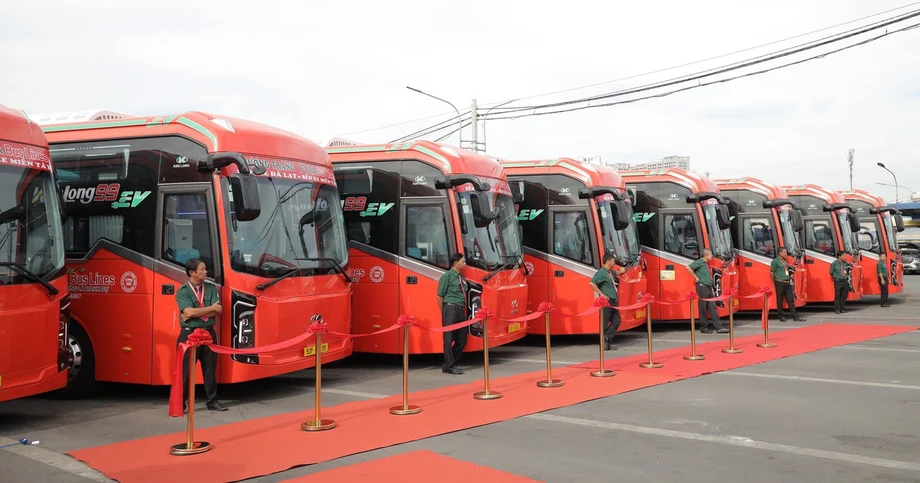
Công ty cổ phần Xe khách Phương Trang, known as FUTA Bus Lines, officially launched the nation's first fleet of interprovincial electric sleeper buses on November 21, 2026. The launch event took place at Bến xe Miền Tây in Ho Chi Minh City, marking a significant shift toward green public transportation. A total of 100 newly manufactured vehicles were introduced to serve passengers traveling across long distances. This rollout represents a major milestone in replacing traditional diesel powered coaches with zero emission alternatives.
目次
The vehicles used in this fleet are model KIMLONG99 EV-G34, designed and built domestically by Công ty Cổ phần Kim Long Motor Huế. These buses feature a specialized layout containing 34 individual sleeping berths, each equipped with curtains, air conditioning vents, personal support buttons, refrigerators, and entertainment systems. Operating these buses on long distance routes requires careful planning regarding battery capacity, charging times, and route scheduling to ensure smooth daily operations.
Technical Specifications and Rapid Charging Capabilities
Powering each vehicle is a large BYD battery system with a capacity of 357 kWh. This setup allows the buses to travel more than 450 kilometers on a single charge under manufacturer test conditions, while field assessments by operating companies indicate a practical range of about 400 kilometers per charge. The drivetrain relies entirely on electricity, meaning there are no direct tailpipe emissions during transit. Furthermore, eliminating the loud rumble of a traditional diesel engine creates a quieter cabin environment for travelers.
To handle the energy demands of long distance travel, the manufacturer equipped the buses with dual charging ports matching the CCS2 standard. These ports are compatible with high capacity 240 kW charging stations, allowing operators to fully replenish the battery in just 90 minutes. This quick turnaround time fits neatly into scheduled rest stops along major highways. Underpinning the vehicle structure is a Full Monocoque chassis combined with safety features such as anti-lock braking systems, traction control, regenerative braking, and an independent two compartment fire suppression system.
Initial Routes and Pricing Structures
During the initial rollout phase, the 100 newly delivered electric sleeper buses have been assigned to three primary interprovincial corridors connecting Ho Chi Minh City with regional destinations. Passengers traveling from Ho Chi Minh City to Đà Lạt, Cần Thơ, and Trà Ôn in Vĩnh Long province are the first to experience the new electric coaches. These specific routes were chosen based on operational requirements and the current availability of charging infrastructure along the way.
Regarding fare policies, the transportation company confirmed that ticket prices for normal days remain identical to those charged for traditional diesel buses. Adjustments during holidays and Tết may occur in alignment with general company policies, but the day to day cost for commuters stays the same. Operating electric vehicles over interprovincial distances is more complex than running urban electric buses because of the extended operating hours and strict reliance on charging networks, as noted by local transportation authorities.
Expanding the Green Transportation Network
The arrival of these 100 sleeper buses follows a prior handover ceremony held on October 23, 2026, in Huế, where Kim Long Motor officially transferred the vehicles to FUTA Bus Lines. This cooperation builds upon previous ventures between the two companies, which included deploying 700 urban electric buses in Ho Chi Minh City and Đà Nẵng. In addition to the sleeper bus launch, the transport firm transitioned city bus operations to electric models in Cần Thơ and Đà Lạt on November 20, 2026, establishing those locations as pioneers in local electric public transit.
Simultaneously, other regional operators are modernizing their fleets to meet national energy transition goals. In Khánh Hòa province, Công ty TNHH Quyết Thắng Nha Trang has invested approximately 200 billion Vietnamese đồng to acquire 50 electric buses from Kim Long Motor. By mid-November 2026, the company had received 40 units of the KIMLONGB60-EV model, which features a length of 8.65 meters, a 60 passenger capacity, and a BYD battery exceeding 210 kWh that travels nearly 350 kilometers per charge. These buses replace older diesel vehicles across various coastal and tourist routes across the province.
Building Infrastructure and Local Manufacturing
Achieving a nationwide transition to electric transport requires more than just acquiring vehicles, as manufacturing companies and operators are also developing supporting infrastructure. Kim Long Motor has focused on localizing core components, achieving a 60 percent domestic production rate with plans to reach 90 percent by the end of 2026. By collaborating with BYD Battery to produce battery cells and packs domestically, alongside research into central control units, the manufacturer aims to reduce maintenance times and lower long term operating expenses.
To support the growing fleet, operators are establishing dedicated charging networks such as FUTA EV Power stations along national highways, bus terminals, and rest stops. Local government bodies are also updating their master plans to accommodate the new technology. In Khánh Hòa, provincial authorities approved a comprehensive route network under the provincial People Committee decision spanning the 2026 to 2030 period. These developments align with broader national policies aimed at reducing carbon emissions across Vietnam's transportation sector.
The Essentials
- FUTA Bus Lines introduced 100 electric sleeper buses on November 21, 2026, at Bến xe Miền Tây in Ho Chi Minh City.
- The KIMLONG99 EV-G34 buses feature 34 berths, a 357 kWh BYD battery, and a range exceeding 400 kilometers per charge.
- Initial operations cover three routes connecting Ho Chi Minh City with Đà Lạt, Cần Thơ, and Trà Ôn.
- Normal day ticket prices for the electric coaches match those of traditional diesel buses.
- Charging infrastructure utilizes CCS2 standards at 240 kW to replenish battery power in 90 minutes.