
短い訪問、広範なアジェンダ
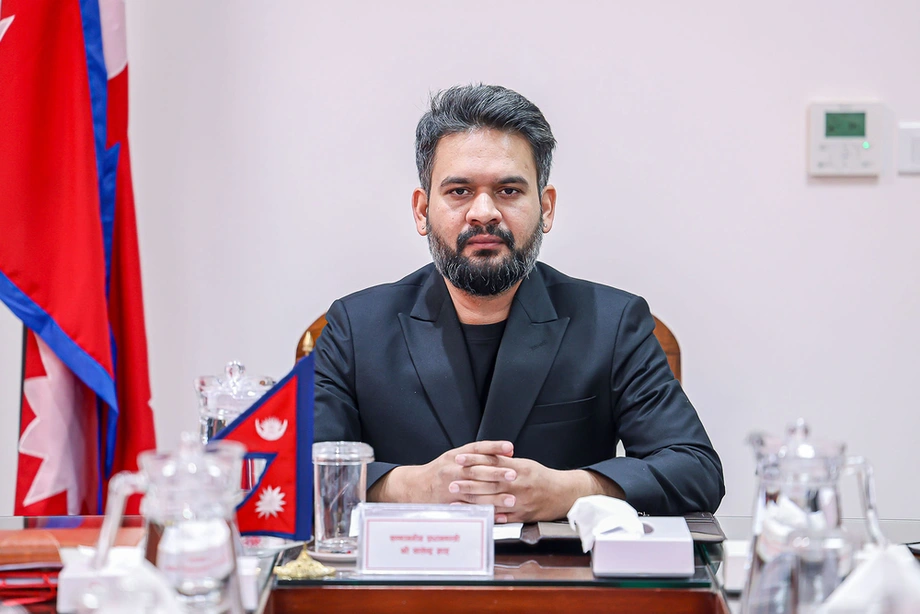
Nepal Prime Minister Balendra ShahはNew DelhiへNovember 22に向かい、Indiaへの初めての公式両国訪問として3月に就任以来。2日間の訪問、Indian Prime Minister Narendra Modiの招待で、November 23の幹部協議が含まれる予定で、project announcementsとインド役員と企業との会合。
目次
Nepal's Foreign Secretary Amrit Rai said Shah will travel on a Nepal Airlines flight with a 34 member official delegation, including Finance Minister Swarnim Wagle, Foreign Affairs Minister Shisir Khanal and Chief Adviser Kumar Byanjankar. Another 52 people are expected to travel separately at their own expense. The business group is expected to meet Indian counterparts as part of a forum aimed at encouraging investment and closer commercial ties.
India plans to receive Shah with full state honours. Jitin Prasad, India's minister of state for commerce and industry, is expected to greet him at the airport. The schedule is unusually compressed: Shah is expected to arrive on Sunday and return to Kathmandu on Monday, November 23.
The trip comes as the two governments work through a wide list of possible outcomes, from assistance for flood damaged infrastructure to cooperation on energy, transport and trade. The final size of any financial package, the wording of a joint statement and the details of new agreements are still being discussed.
What is planned during the two days?
Shah is scheduled to meet Indian President Droupadi Murmu and hold talks with Modi on Monday. The two leaders are expected to speak privately before formal delegation talks, then address the media together. India's External Affairs Minister S. Jaishankar is due to call on Shah on Sunday.
The governments have also said they expect to sign or exchange memorandums of understanding, or MOUs. These are written agreements setting out areas where governments intend to work together. The expected fields include education, health, agriculture, sports and disaster management. Completed projects may be inaugurated, while foundations may be laid for others.
Rai said the leaders would review their broad partnership and discuss new ways to cooperate. Nepal's Foreign Ministry described the purpose of the visit as taking stock of ties and seeking practical benefits for people in both countries. The ministry said the visit would provide an opportunity to review cooperation with a future focused perspective and maximise mutual benefits.
The two sides are also preparing a joint communiqué, a written account of the visit and its decisions, and a possible joint vision document for development and prosperity. A ten year vision document has been discussed, but its final contents and whether it will be issued during the visit are not settled.
Could Nepal receive nearly $2 billion?
A possible economic package worth almost $2 billion is among the most consequential items under discussion. Nepali officials have sought loans and grants for infrastructure, including repairs and reconstruction after floods. The amount is not final, and the package's mix of loans, grants and projects has yet to be agreed.
If the package reaches $2 billion, it would rank among India's largest assistance packages to another country, particularly in its neighbourhood. The distinction between a loan and a grant matters: a grant does not have to be repaid, while a loan creates a repayment obligation. The terms, projects and timing will determine what support Nepal actually receives.
The request comes after severe flooding in Nepal in August. Figures cited for the damage say more than 1,000 people died, over 7,000 homes were damaged and several hydroelectric projects were affected. India sent rescue teams after a request from Nepal, and the two governments are now considering reconstruction as part of their economic discussions.
Shah's delegation will also be looking for progress on energy cooperation. Nepal exports electricity to India when it has power beyond domestic needs, but individual projects and trading arrangements require approvals. India's latest power export approval restored access for an additional 615.02 megawatts of Nepali electricity, while Upper Tamakoshi's export request remains a separate issue for talks.
Transport links and a proposed rail service
Connectivity is expected to feature in the meetings, with the inauguration of completed projects and announcements about new ones on the agenda. One reported plan is for Modi and Shah to jointly launch a Janakpur to Ayodhya train service on November 23. The service would link places in Nepal and India that are important to religious travel, as well as provide a new cross border transport connection.
Nepal is landlocked, so it relies on routes through India to reach the sea and imports most of its requirements from or through its southern neighbour. Border crossings, roads, railways and transmission lines therefore affect everyday trade as well as large development plans.
Nepal has put forward other transport and trade proposals for the visit, including new ports and border facilities, expanded petroleum pipelines and faster processes for Nepali exports. Nepal's proposals for new trade routes include a cooking gas pipeline and a dry port. Which items make it into the final agreements has not been announced.
At the planned Nepal India Business Forum, Shah is expected to speak to Indian companies and investors about opportunities in Nepal and hear their concerns. The forum is intended to build direct links between business communities, while the governments discuss broader rules and infrastructure that shape trade.
Border claims remain a difficult subject
The visit will take place against a background of disagreement over the border areas of Limpiyadhura, Lipulekh and Kalapani. Nepal claims the territories, while India says they belong to Uttarakhand. The dispute concerns how the boundary is interpreted and where the Kali River, used as a reference in the western border area, begins.
In May, Shah sought involvement by China and the United Kingdom in addressing the dispute. New Delhi rejected a role for third parties and said the two neighbours have a bilateral process for handling boundary matters. The visit may give the leaders a chance to discuss the issue, but no specific agreement on the border has been announced.
Nepal has previously called for renewed talks on the boundary. Calls to restart border discussions have focused on unresolved maps and the need for political talks alongside technical work by officials. Technical teams can examine records and boundary markers; decisions about competing territorial claims require agreement between the governments.
Another longstanding concern is the recruitment of Nepali citizens into the Indian Army. Recruitment has remained suspended since India introduced the Agnipath system, a scheme under which many recruits serve a fixed term rather than entering the previous longer service arrangement. No change to the recruitment system has been confirmed for Shah's visit.
India and Nepal seek closer economic ties
India's Ministry of External Affairs has described the visit as part of regular senior level exchanges and linked it to its Neighbourhood First policy. The ministry says the two countries already cooperate on trade, development, energy and water resources, and physical and digital connections, with newer work in technology, innovation and sports.
Indian spokesperson Randhir Jaiswal said the visit was very important for India. He said the countries would discuss areas including development cooperation, ties between their people, energy and connectivity.
This is a very important visit for us.
For Nepal, stronger access to Indian markets and transit routes can support trade and investment. For India, cooperation with a neighbouring country is tied to shared infrastructure, energy flows and close social connections across the border. The business forum and project agreements are intended to turn those broad interests into specific work.
China will also be part of the regional backdrop. A high level Nepali parliamentary delegation is expected to visit China during Shah's India trip, following an invitation from the Chinese Communist Party. The timing places Kathmandu's relationships with both neighbours in view, although the two delegations' visits are separate events.
The visit, day by day
November 22: Shah is expected to fly from Nepal to New Delhi with the official delegation. Jaishankar is scheduled to call on him, and Indian officials plan a formal reception.
November 23: Shah is due to meet President Murmu and hold formal talks with Modi, followed by a joint media appearance. Business discussions, project announcements and the proposed Janakpur to Ayodhya rail launch are also expected.
November 23: Shah is scheduled to return to Kathmandu after the meetings.
The timetable leaves little room for extended travel outside the capital. The focus is on meetings in New Delhi, rather than visits to other Indian cities.
What remains undecided?
The final value and terms of the possible economic package are still under discussion. The governments have not published the completed list of agreements, the final text of the joint communiqué or the contents of any long term vision document. Details about the proposed train service and which development projects will be inaugurated also await confirmation.
The meetings may produce cooperation in areas where both sides already have active programmes, especially energy, infrastructure and trade. Border claims and military recruitment are more difficult questions, and officials have not announced a timetable for resolving either one.
For people and businesses, the practical test will be whether announcements lead to working transport links, repaired infrastructure, reliable energy trade and clearer routes for investment. The visit is designed to set those tasks before both governments, even as some of the largest disagreements remain open.
Key Points
Balendra Shah is due in New Delhi on November 22 and is scheduled to return on November 23.
A 34 member official delegation will travel with Shah, while a separate group of 52 people is expected to attend at their own expense.
A possible package of nearly $2 billion for Nepal is under discussion, but its size and terms are not final.
Talks are expected to cover flood recovery, energy, trade, connectivity and agreements in fields such as health and education.
The border dispute and the pause in Nepali recruitment to the Indian Army remain unresolved.